How Often You Should Stain Your Deck
To maintain your deck’s appearance and protection, local contractors can advise on how often you should stain your deck and handle the job professionally.
If you’ve recently wondered how often you should stain your deck, you’re in the right place. Properly maintaining your outdoor space not only enhances its appearance but also helps protect it from weather damage and wear over time. Property owners in the area often find that understanding the recommended staining schedule can extend the life of their decks and keep them looking their best. Exploring this topic can lead to practical insights on maintaining the beauty and durability of your outdoor living area, and local contractors skilled in deck staining are available to assist with the job when needed.
Deciding on the right frequency for staining depends on several factors, including the type of wood, local climate conditions, and how much use the deck gets. Regular staining can prevent issues like cracking, fading, and rot, which might otherwise lead to more costly repairs down the line. For many property owners, consulting with experienced service providers ensures the job is done correctly and at the right intervals, helping to preserve the deck’s appearance and integrity. Keep reading to learn more about how often your deck might need staining and how local professionals can support your maintenance efforts.
- Pressure-treated wood deck - local contractors often recommend staining every 1-3 years to maintain protection against moisture and sun damage.
- Composite decking - service providers typically suggest staining less frequently, about every 2-3 years, to preserve appearance and durability.
- Older, weathered decks - local pros may advise more frequent staining, such as annually, to restore and protect aged surfaces.
- Newly built decks - experts usually recommend waiting at least one year before staining to allow the wood to settle and dry properly.
- High-traffic outdoor decks - local contractors often suggest staining every 1-2 years to keep the surface protected from wear and tear.

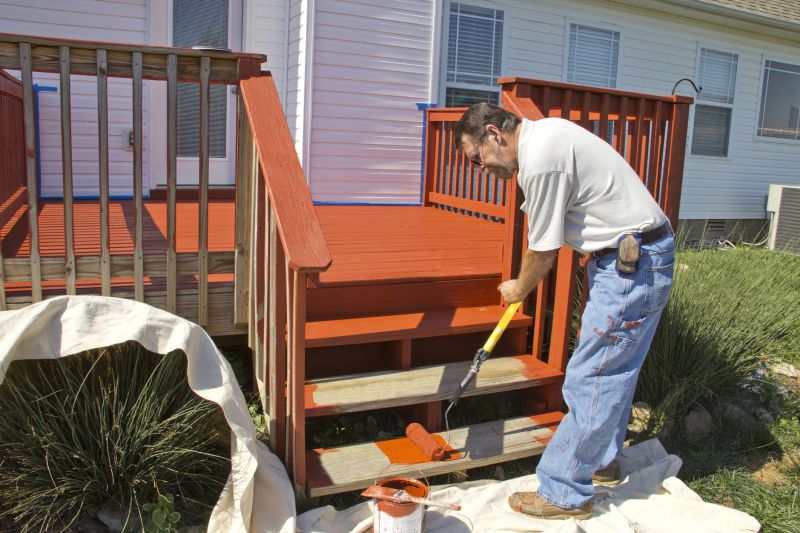

When people search for how often they should stain their deck, they are typically looking for guidance on maintaining the appearance and durability of their outdoor space. This question often arises after noticing signs of wear, such as fading color, peeling, or a loss of the protective barrier that keeps the wood safe from moisture and sun damage. Homeowners want to ensure their decks remain attractive and functional without overdoing it, which can lead to unnecessary expense or damage. Understanding the recommended frequency helps prevent issues like rotting or warping, making it a common concern for those who want to preserve their investment in their outdoor living area.
This topic is closely related to planning for routine maintenance and protecting property value. Deck staining is a proactive step to extend the lifespan of the wood and keep it looking fresh. Many property owners consider staining part of their regular outdoor upkeep, especially if their deck is exposed to harsh weather conditions. Problems such as mold, algae growth, or surface cracking often prompt homeowners to seek advice on timing. Local service providers who specialize in deck staining can assess the condition of a deck and recommend the appropriate interval for staining based on factors like climate, wood type, and previous treatments.
The types of properties that frequently come up in discussions about staining frequency are typically residential homes with wooden decks, porches, or patios. These properties often have outdoor spaces that are visible and used regularly, making aesthetic appearance important. Multi-story homes, waterfront properties, or houses in areas with high sun exposure tend to require more frequent attention. Additionally, decks that have been stained before may need more frequent touch-ups, while newer decks might have a longer interval before the next stain. Local contractors can evaluate the specific needs of each property and suggest a schedule that balances protection with cost-efficiency.
Understanding how often to stain a deck connects directly to real projects homeowners undertake to keep their outdoor spaces in top condition. Regular staining not only enhances curb appeal but also helps prevent costly repairs down the line. For those unsure about the right timing, consulting with local pros can provide tailored advice based on the deck’s age, condition, and environment. These professionals can perform the staining work or recommend the best products and schedules to ensure the deck remains protected and attractive over time. This way, homeowners can enjoy their outdoor spaces with confidence that their decks are properly maintained.
Fence Staining Projects - Similar to deck staining, fence staining requires proper surface preparation and knowledge of stain types, making local contractors experienced in these services a reliable choice.
Wood Restoration Services - Restoring aged or weathered wood involves techniques comparable to deck staining, including cleaning, sanding, and applying protective finishes, handled by local specialists.
Outdoor Furniture Refinishing - Refinishing outdoor wooden furniture shares skills in surface prep and stain application, with local service providers capable of enhancing wood durability and appearance.
Porch and Patio Surface Treatments - Applying protective coatings to porch and patio surfaces involves similar planning and skill as deck staining, with local pros offering tailored solutions.
Siding Staining and Sealing - Staining and sealing exterior siding requires knowledge of weatherproofing techniques, often performed by local contractors experienced in exterior wood treatments.
Exterior Wood Repair - Repairing damaged or rotted wood before staining is essential, and local experts can assess and prepare surfaces to ensure optimal stain longevity and appearance.
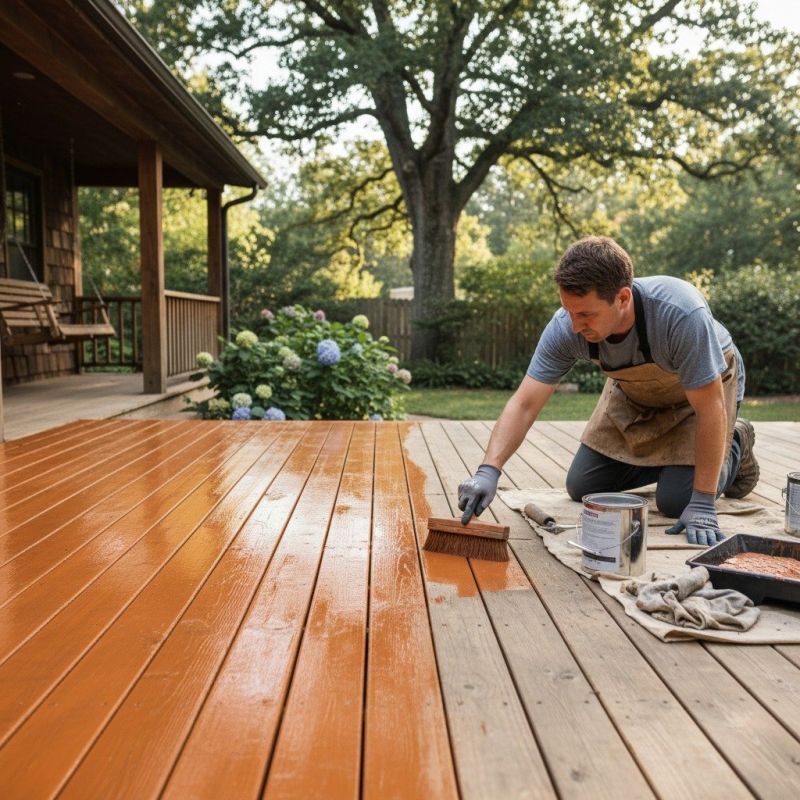
When evaluating potential service providers for deck staining, it is important to consider their experience with similar projects. Homeowners should inquire about how many decks they have previously stained and whether they are familiar with the specific materials and conditions typical of the local climate. An experienced contractor can better assess the unique needs of a deck, such as wood type and age, ensuring that the staining is applied appropriately and at the right intervals to maintain its appearance and durability.
Clear written expectations are essential when comparing local contractors. Homeowners should seek detailed descriptions of what the staining process includes, such as surface preparation, number of coats, and drying times. Having this information in writing helps prevent misunderstandings and ensures that both parties are aligned on what the project entails. It also provides a basis for assessing whether the contractor’s approach aligns with the homeowner’s expectations for how often the deck should be stained to achieve optimal results.
Reputable references and good communication are key factors in selecting a dependable service provider. Homeowners are encouraged to ask for references from previous clients who had similar staining projects completed. This can provide insight into the quality of work and reliability of the contractor. Additionally, contractors who communicate clearly and promptly respond to questions demonstrate professionalism and a commitment to customer satisfaction. Effective communication helps ensure that homeowners receive accurate guidance on how often to stain their deck and that any concerns are addressed throughout the process.
Property owners often search for how often you should stain your deck when they are planning practical projects around their homes and businesses. Local pros provide Deck Staining services for everyday jobs and straightforward project options.
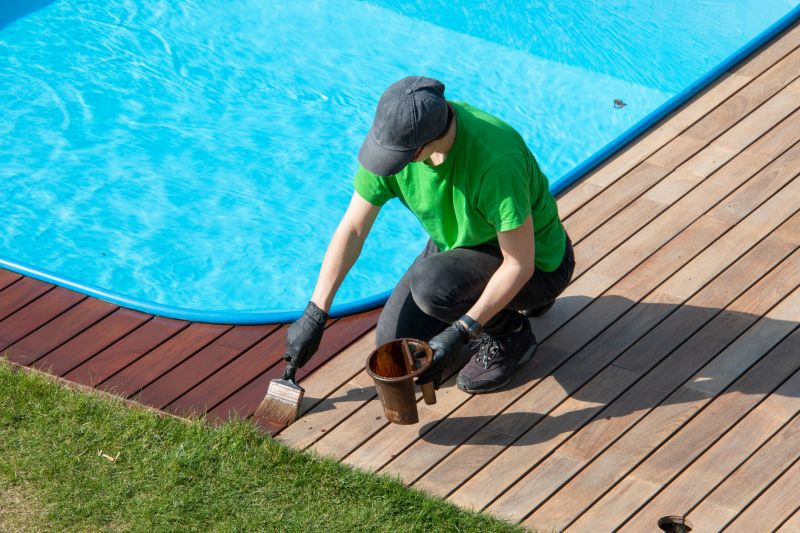
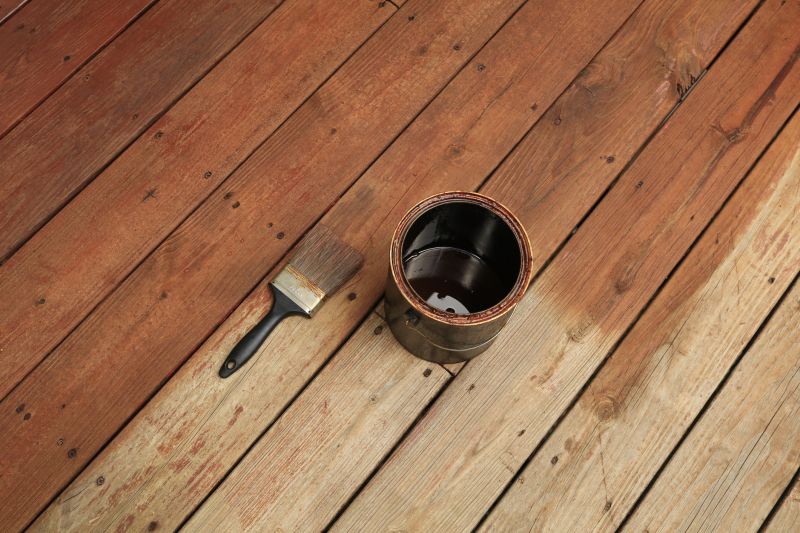
Understanding how often you should stain your deck is a common concern for property owners who want to maintain its appearance and durability. In everyday situations, homeowners may notice their deck looking faded, peeling, or stained with mold or mildew, signaling that it’s time for a fresh coat of stain. Local contractors often recommend inspecting the deck annually to assess its condition, especially after harsh weather or heavy use, to determine if staining is needed. Regular staining helps protect the wood from moisture, UV rays, and wear, which can extend the lifespan of the deck and keep it looking its best.
For many property owners, the decision on how often to stain their deck depends on the type of stain used and the local climate. Typically, decks should be stained every two to three years, but this can vary based on factors like exposure to sun, rain, and foot traffic. When the stain begins to fade or if water no longer beads on the surface, it’s a sign that a new application might be necessary. Local service providers can evaluate the deck’s condition and recommend a suitable staining schedule, ensuring the wood remains protected and visually appealing over time.
How often should I stain my deck to keep it protected? Typically, decks should be stained every 1 to 3 years, depending on the type of stain used and exposure to weather. Local contractors can assess your deck’s condition and recommend an appropriate schedule.
What factors influence how often I need to stain my deck? Factors such as climate, sun exposure, foot traffic, and the type of wood all affect staining frequency. Experienced service providers can evaluate these factors to determine the best timing for staining.
Can staining frequency vary based on the stain type? Yes, different stains last for varying durations; for example, semi-transparent stains may need reapplication more often than solid stains. Local pros can advise on the optimal interval based on the stain used.
Is it necessary to re-stain a deck if it looks fine? Even if a deck appears okay, it may still benefit from staining to maintain protection and appearance. Professionals can inspect your deck and recommend whether a new coat is needed.
How can I tell if my deck needs to be stained again? Signs include fading color, loss of water repellency, or visible weathering. Local contractors can perform assessments to determine if staining is appropriate at the time.
Consider climate and weather conditions - in areas with high humidity or frequent rain, staining may need to be more frequent to protect the wood.
Assess the deck’s appearance regularly - if the stain starts to fade or peel, scheduling a re-stain with local contractors can help maintain its look and durability.
Follow manufacturer recommendations - many stain products specify how often they should be reapplied, which can guide property owners in planning maintenance.
Evaluate use and foot traffic - heavily used decks may require more frequent staining to preserve the surface and prevent damage.
If you are thinking about how often you should stain your deck for a property, this guide is meant to help you understand this topic, the typical project types, and how different options might fit your plans.
When you are ready, you can use the quote form on this page to share a few details about your project. From there, local pros can review the basics and follow up with options that match what you have in mind.